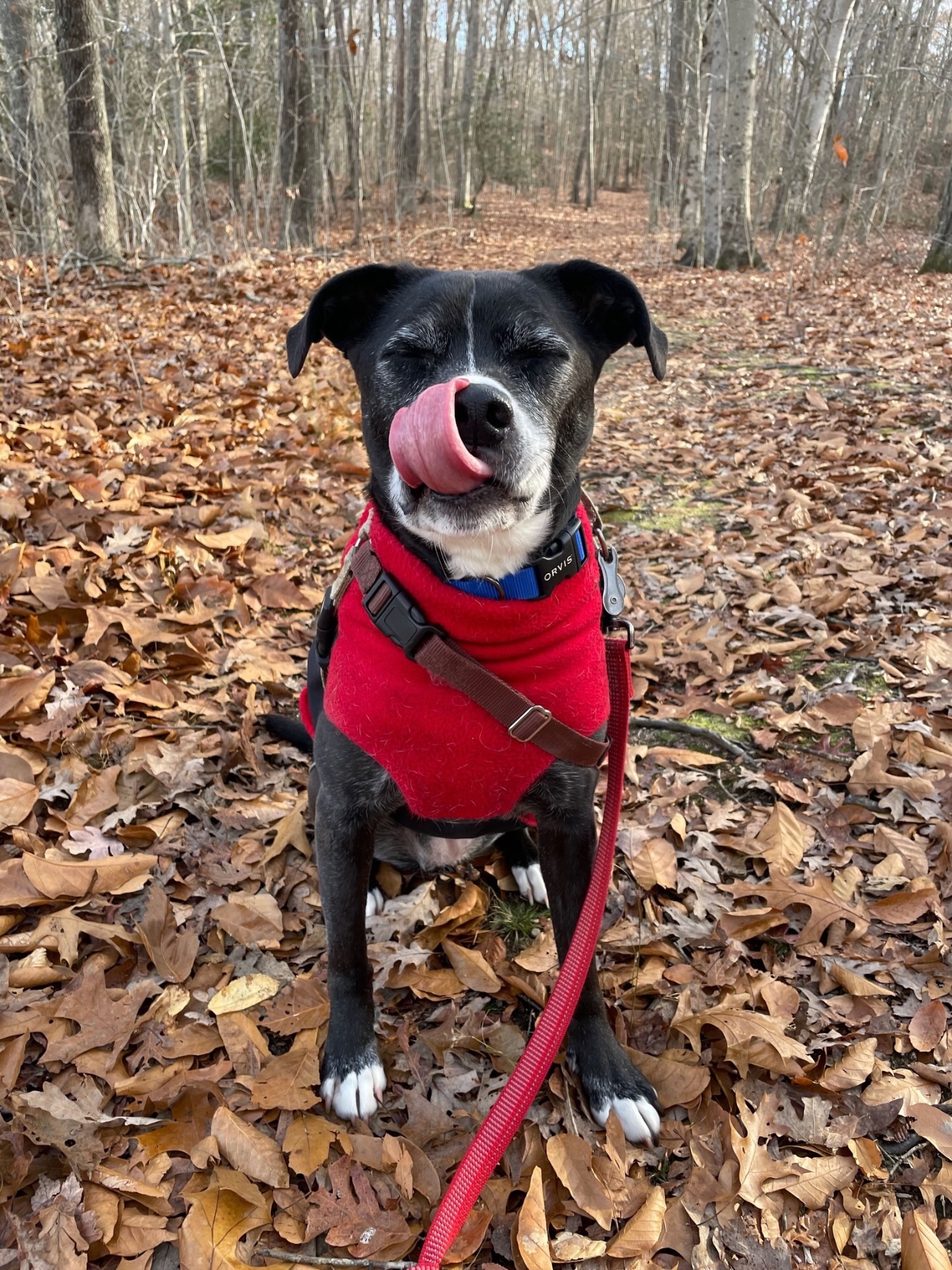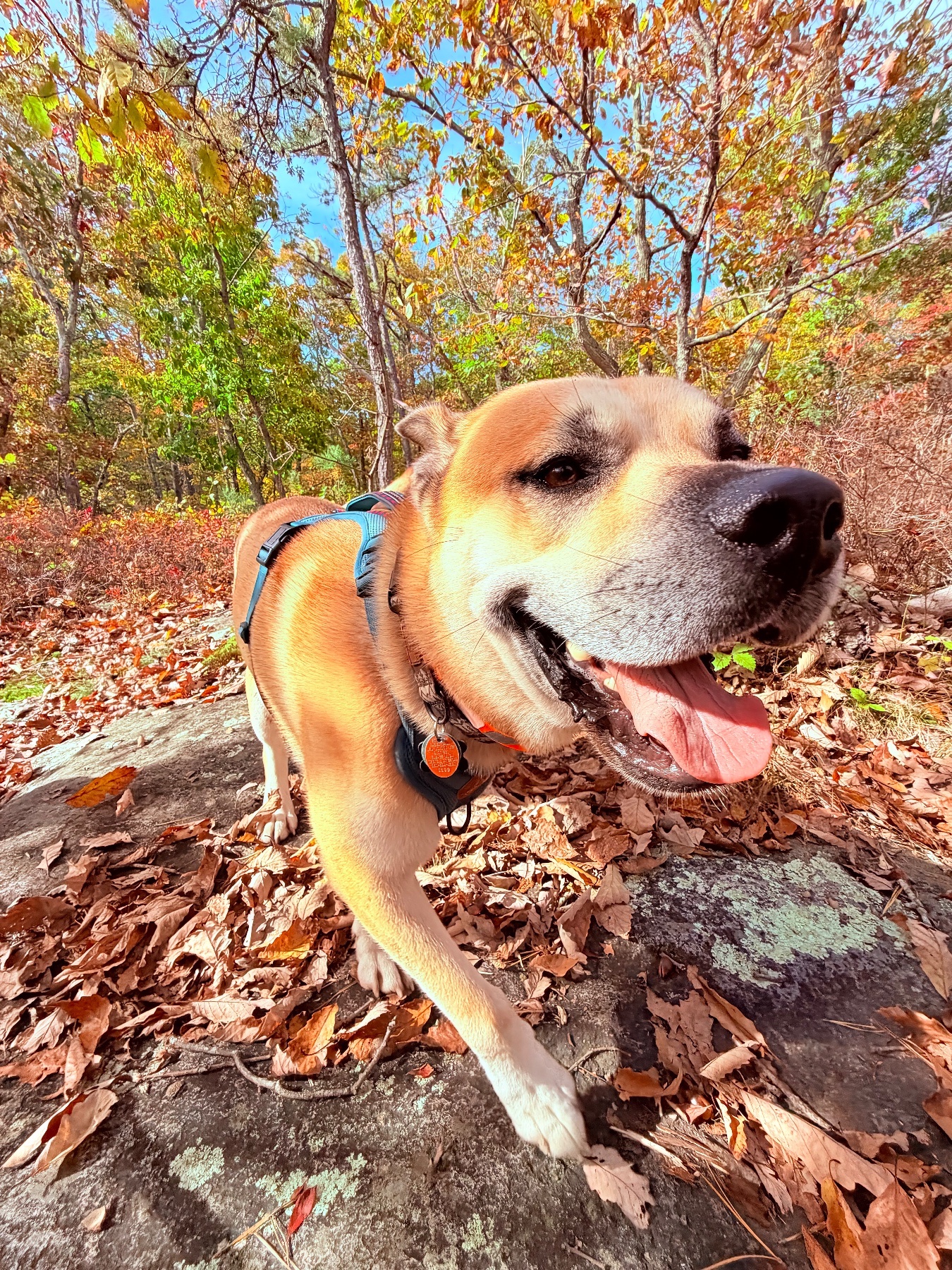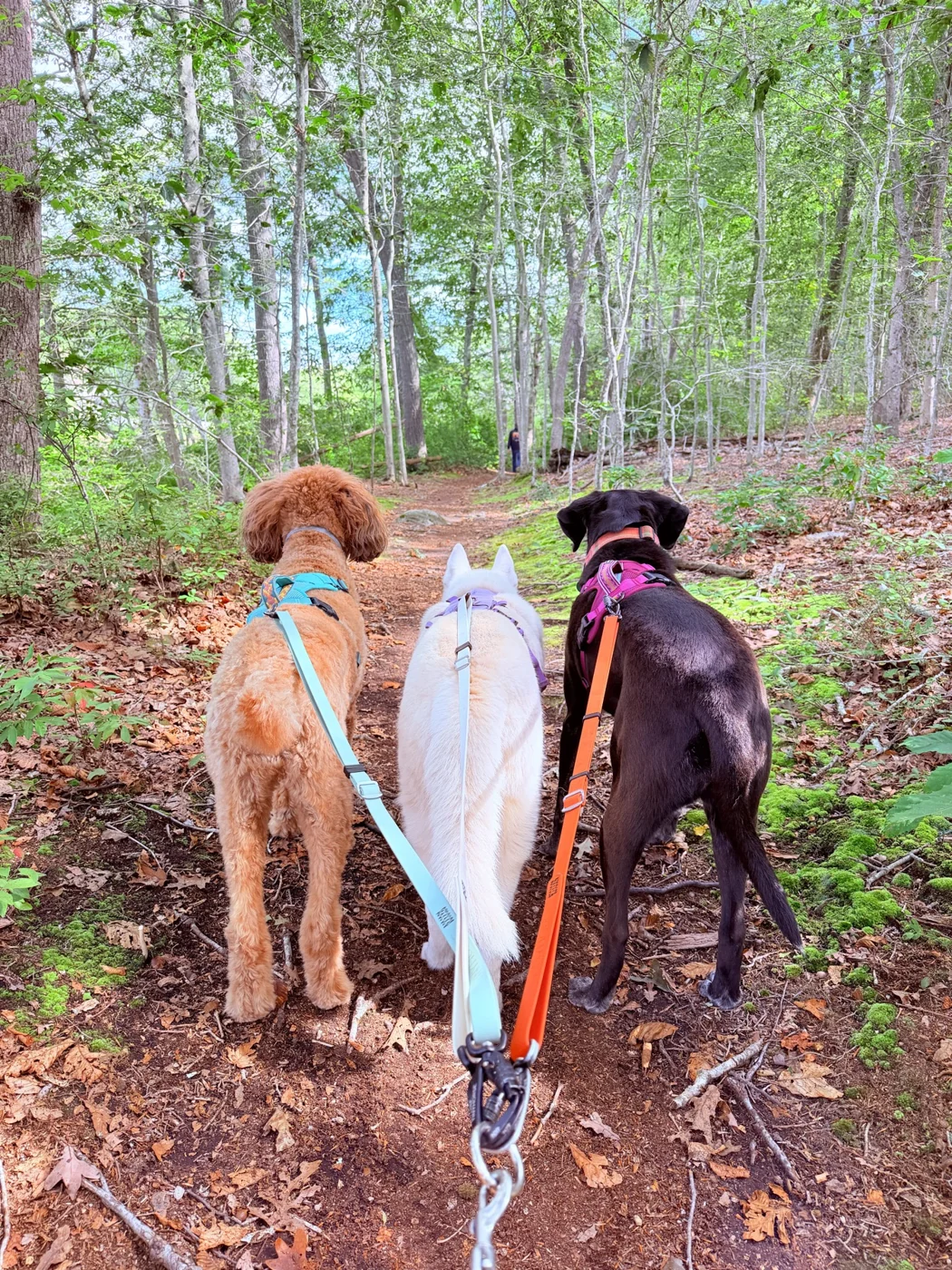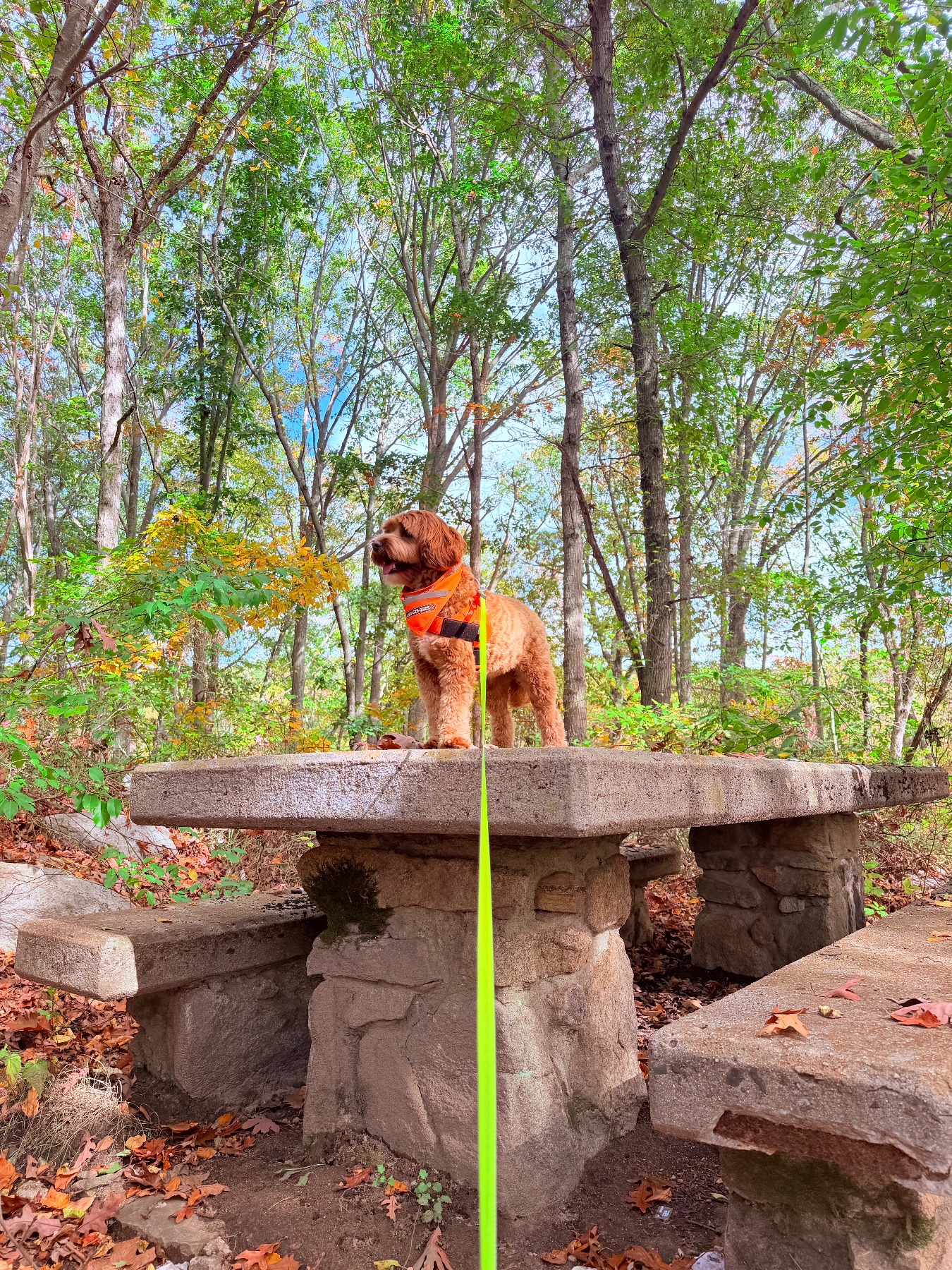
You want your dog to have a good day while you handle yours. It is easy to look at a group of dogs on a trail and assume that is what every dog is missing. Sometimes it is. Sometimes your dog would get much more from a quieter walk close to home.
Choosing individual care is a practical decision about the dog you have, the outing they can enjoy, and the help your household actually needs.
Start with the pace your dog wants to keep
A group needs a workable rhythm. Some dogs enjoy moving steadily with compatible companions. Others want a slower outing, frequent sniffing stops, or more time to consider what is happening around them.
Those differences matter. A dog should not spend the whole visit being hurried along, and a handler should not have to ignore one dog's needs to keep everyone else moving.
Watch what your dog does on ordinary walks. Are they comfortably interested in the route? Are they keen to keep exploring, or do they spend much of the walk trying to slow things down? Tell us what you see.
Company should help the outing
Living with another dog does not automatically mean your dog will enjoy walking with unfamiliar dogs. Being enthusiastic at a greeting does not tell us everything either.
Useful group fit includes being able to move near other dogs without constantly pulling toward them, avoiding them, or becoming preoccupied with what they are doing. The question is whether the company helps your dog have a better outing.
If that is uncertain, we can discuss individual care or a gradual introduction. There is no value in rushing a group placement simply because the photos look appealing.
Individual attention gives us room to adjust
With one dog, the handler can make decisions around that dog's pace, comfort, and surroundings. That may mean spending more time on a quiet stretch, giving a distraction more space, or choosing a route with fewer close passes.
A solo walk is not automatically a training service. It can simply be an appropriate way to provide movement, sniffing, a bathroom break, and attentive handling without asking the dog to manage a group at the same time.
That can make the service easier to use, too. You know the outing is being chosen around your dog's needs rather than around a requirement to join the pack.
Consider the whole day
The right service also has to fit your schedule and location. A close-to-home walk may be the useful break your dog needs during a workday. Another dog may suit the travel and longer trail outing of a pack hike.
Neither choice needs to become a permanent label. A dog's needs and comfort can change. We should keep paying attention instead of assuming the first arrangement will always be the best one.
Tell us about the ordinary walk
When you ask about Neighborhood Walks, describe your dog's pace, leash behavior, comfort around other dogs, and what you need covered during the day. Neighborhood Walks may be solo or shared with a compatible walking partner, so tell us if individual handling is important.
The goal is a suitable arrangement, not the most dramatic outing. It's their walk, not ours. That includes recognizing when a quieter walk is the one worth choosing.
Help with the everyday routine
A trail outing could fit your workday.
Pickup and a structured small-group hike give your dog time to move and explore while you handle your day. We assess group fit first.
Ask about pack hikeSee what’s included