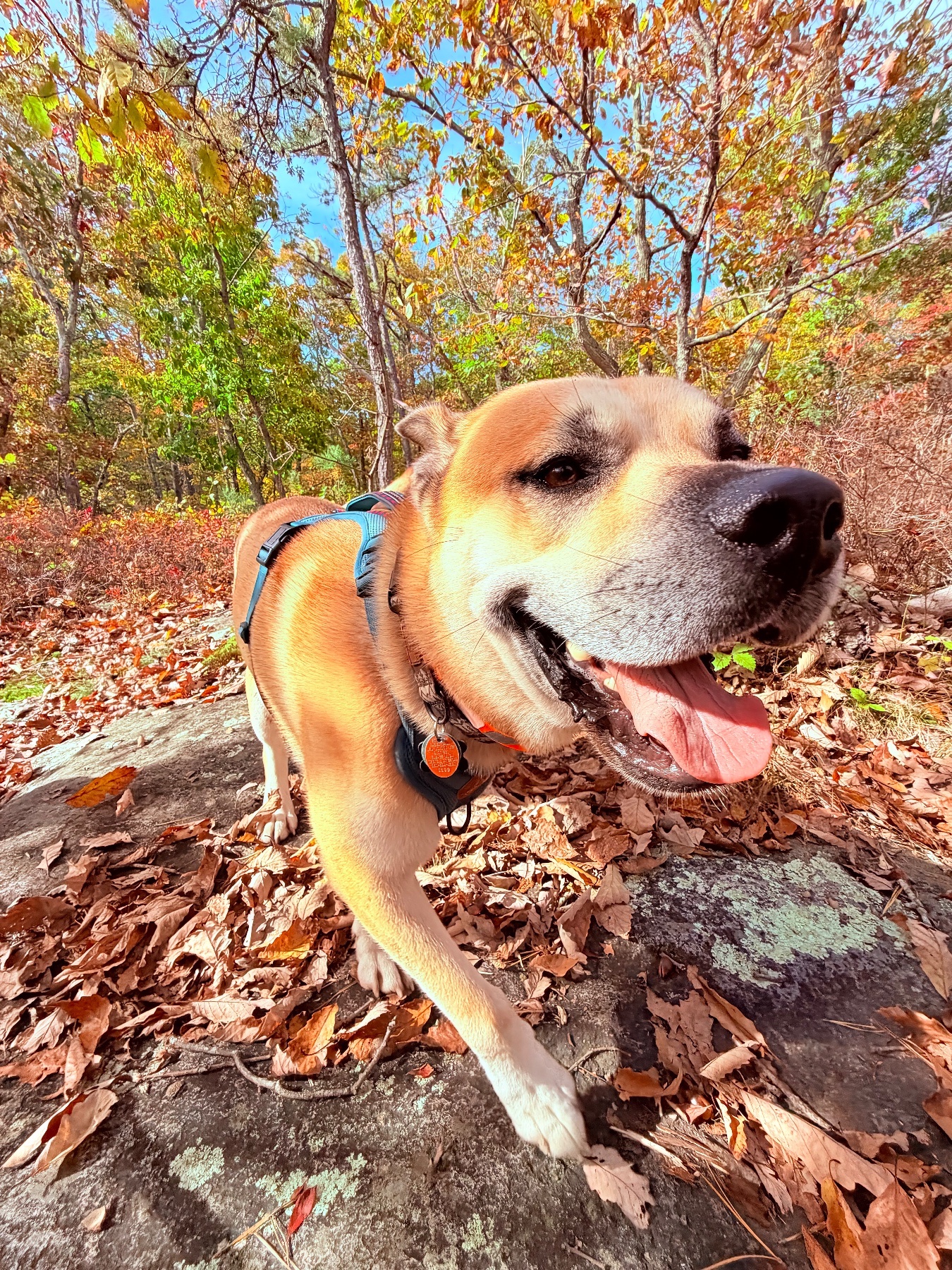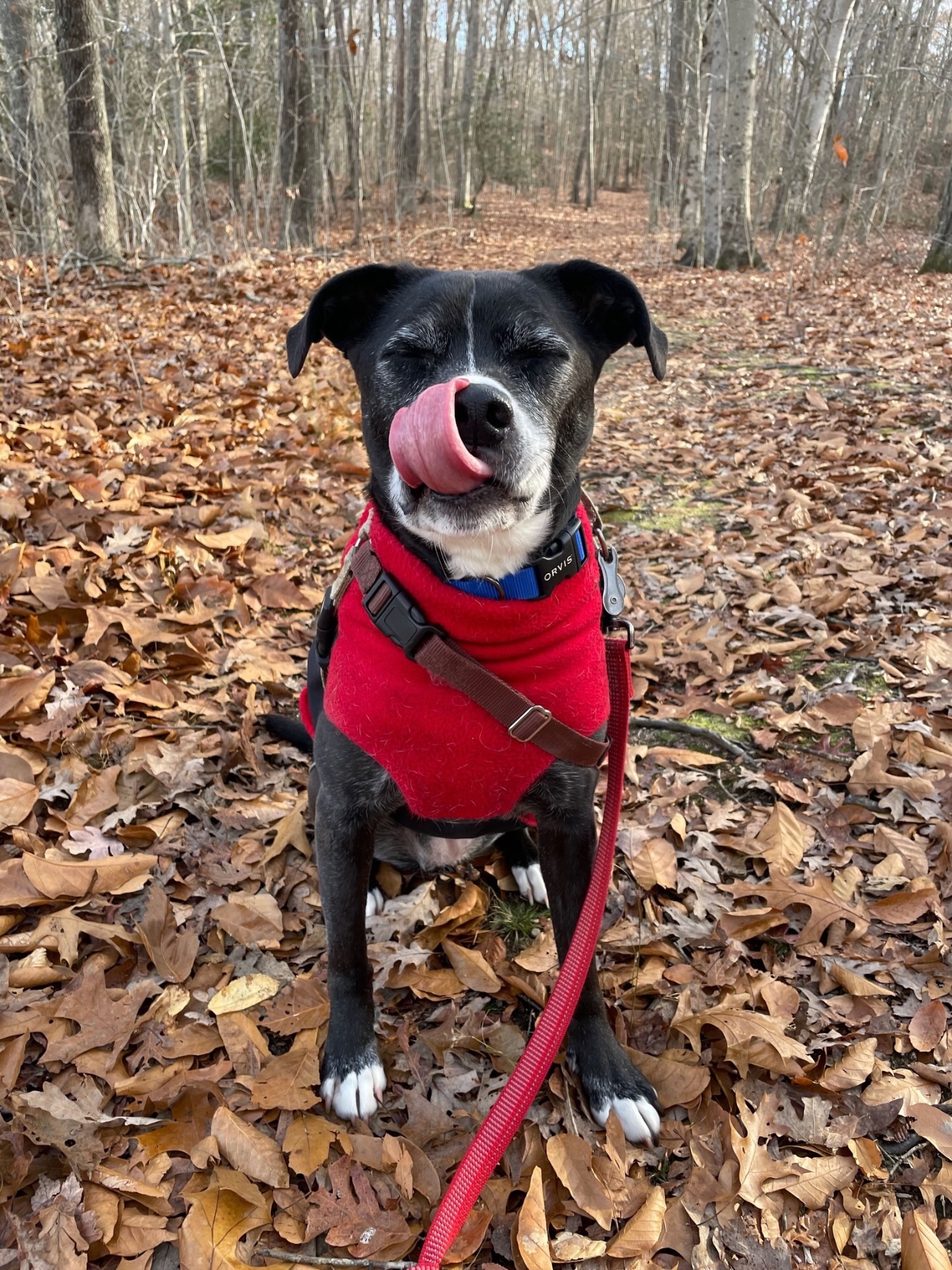
The first cold morning can make a dog look ready to go before you have found your gloves. Cool air often brings plenty of energy, but enthusiasm does not tell us how long a dog should stay out.
There is no single temperature that works for every dog. The American Veterinary Medical Association notes that cold tolerance varies with coat, body fat, activity level, and health. Age, size, wind, wet weather, and the ground underfoot matter too.
Watch the dog, not just the forecast
A weather app helps you prepare. The dog tells you whether the plan is working.
Watch for changes during the outing:
- Shivering or whining
- Slowing down or refusing to keep moving
- Lifting paws from the ground
- Tucking the tail or hunching the body
- Suddenly looking anxious or searching for warmth
Those are reasons to head inside and get the dog warm and dry. Cornell University College of Veterinary Medicine advises immediate veterinary care if you are concerned about frostbite or hypothermia.
The goal is not to prove that a dog can finish the usual route. The goal is to bring home a dog who stayed comfortable throughout it.
Change the outing before it becomes a problem
Cold-weather care may mean a shorter route, a brisker pace, or a bathroom break followed by indoor enrichment. A small, older, thin-coated, or medically vulnerable dog may need a different plan from a healthy double-coated dog on the same morning.
A coat can help some dogs, provided it fits well and stays dry. Wet clothing or a wet coat can make a cold outing harder. On icy days, choose stable footing and keep the plan simple.
A Neighborhood Walk does not have to cover the same distance every visit to be useful. A Home Visit can also give a dog a bathroom break, attention, and a reset when conditions make a longer walk a poor choice.
Check paws at the door
Winter streets add another job. Cornell recommends checking paws and wiping or washing away salt, de-icers, and packed snow after the walk. Look between the toes, not only across the pads.
If your dog wears boots, practice before the coldest day arrives. A good fit should stay on without rubbing or changing the dog’s movement. If you use a paw product, ask your veterinarian what is appropriate for your dog.
Give your walker the useful details
Tell your walker if your dog has arthritis, has struggled in cold weather before, wears a coat or boots, or has veterinarian instructions that affect outdoor time. Make sure the gear is easy to find and fits now, not last winter.
Good cold-weather care is flexible. Some days call for the full outing. Some call for ten useful minutes outside and a warm return home. It’s their walk, not ours.
Veterinary references
American Veterinary Medical Association, Cold weather animal safety
Cornell University College of Veterinary Medicine, Winter safety tips
Help with the everyday routine
A trail outing could fit your workday.
Pickup and a structured small-group hike give your dog time to move and explore while you handle your day. We assess group fit first.
Ask about pack hikeSee what’s included