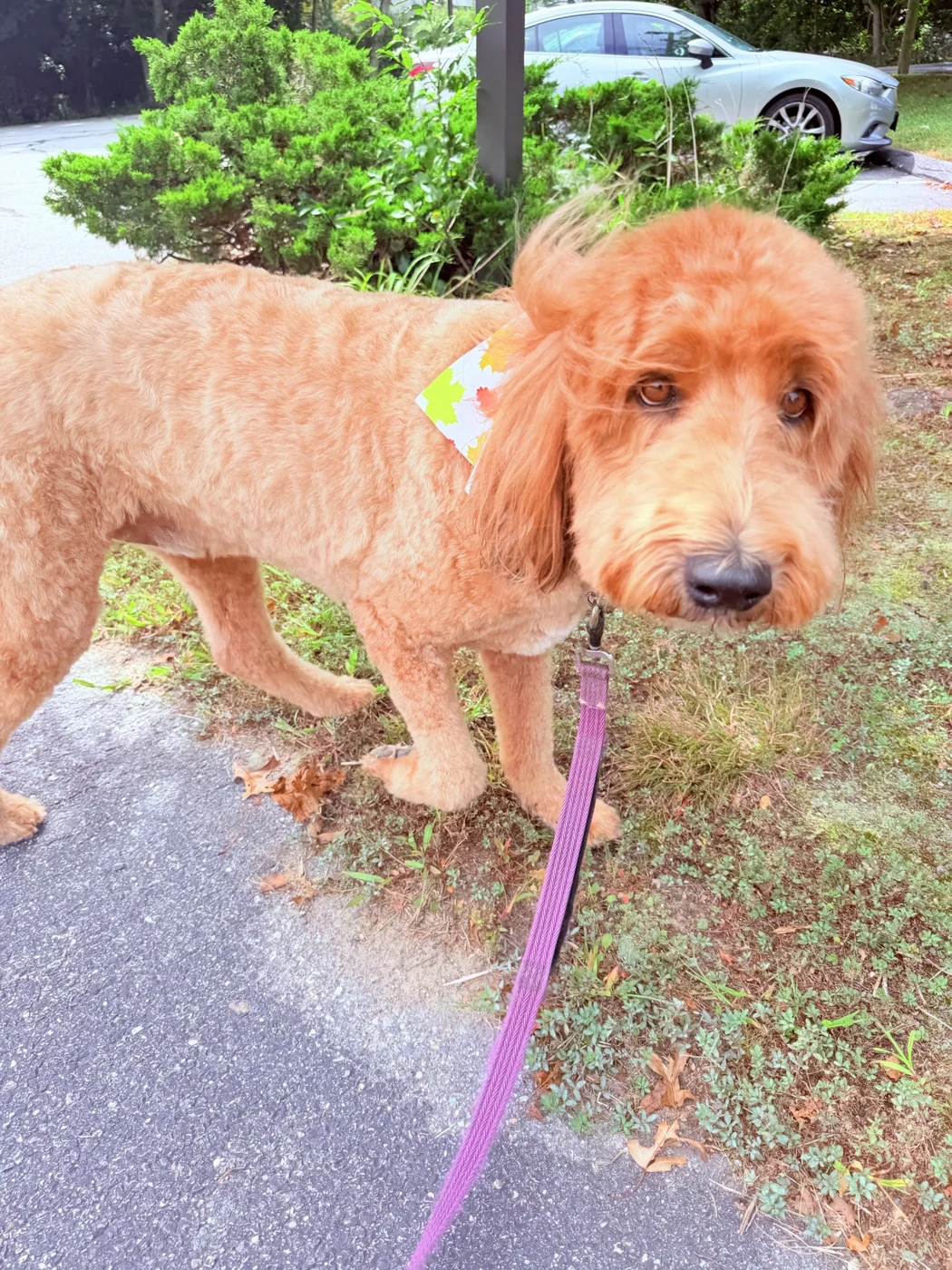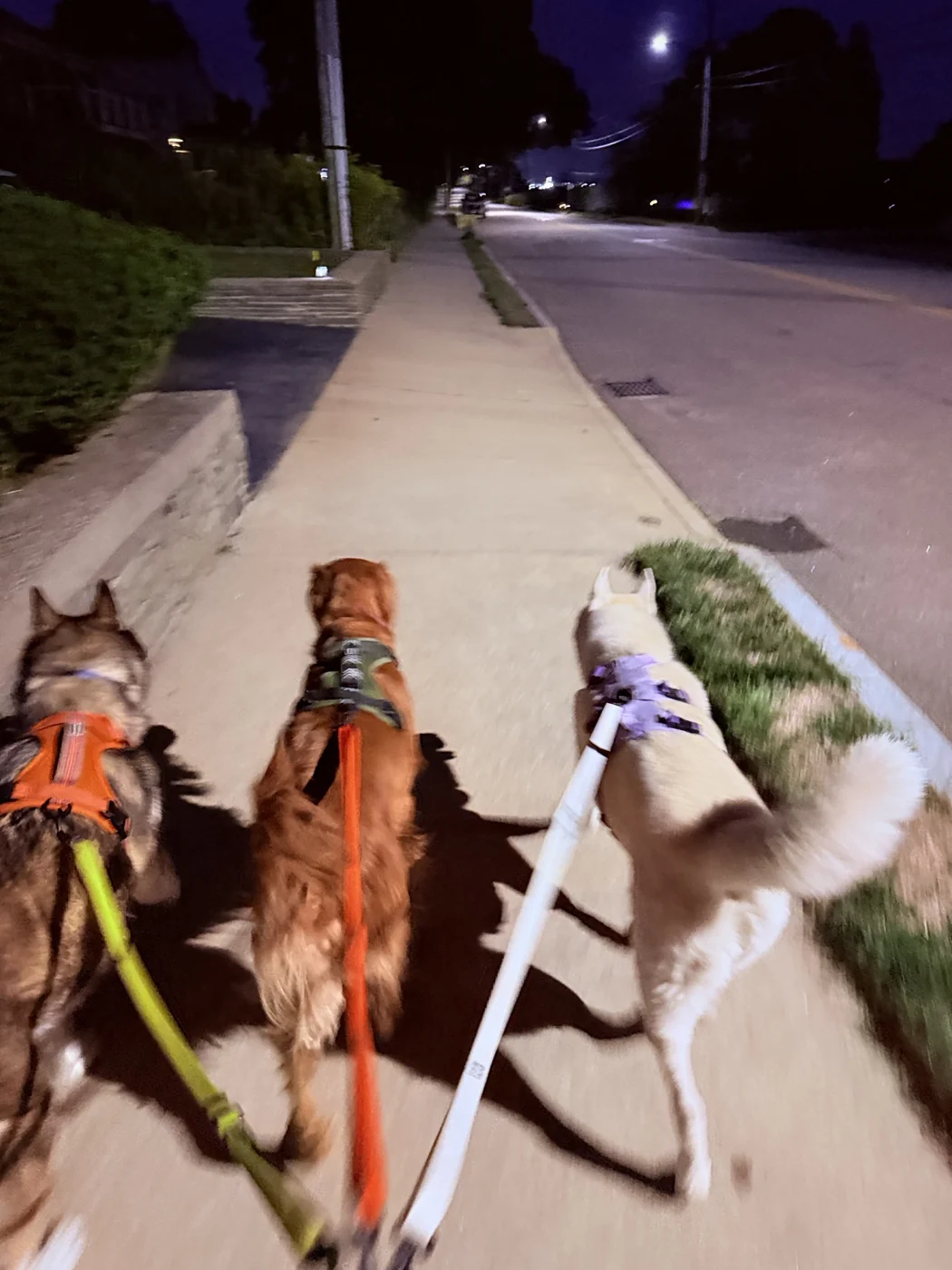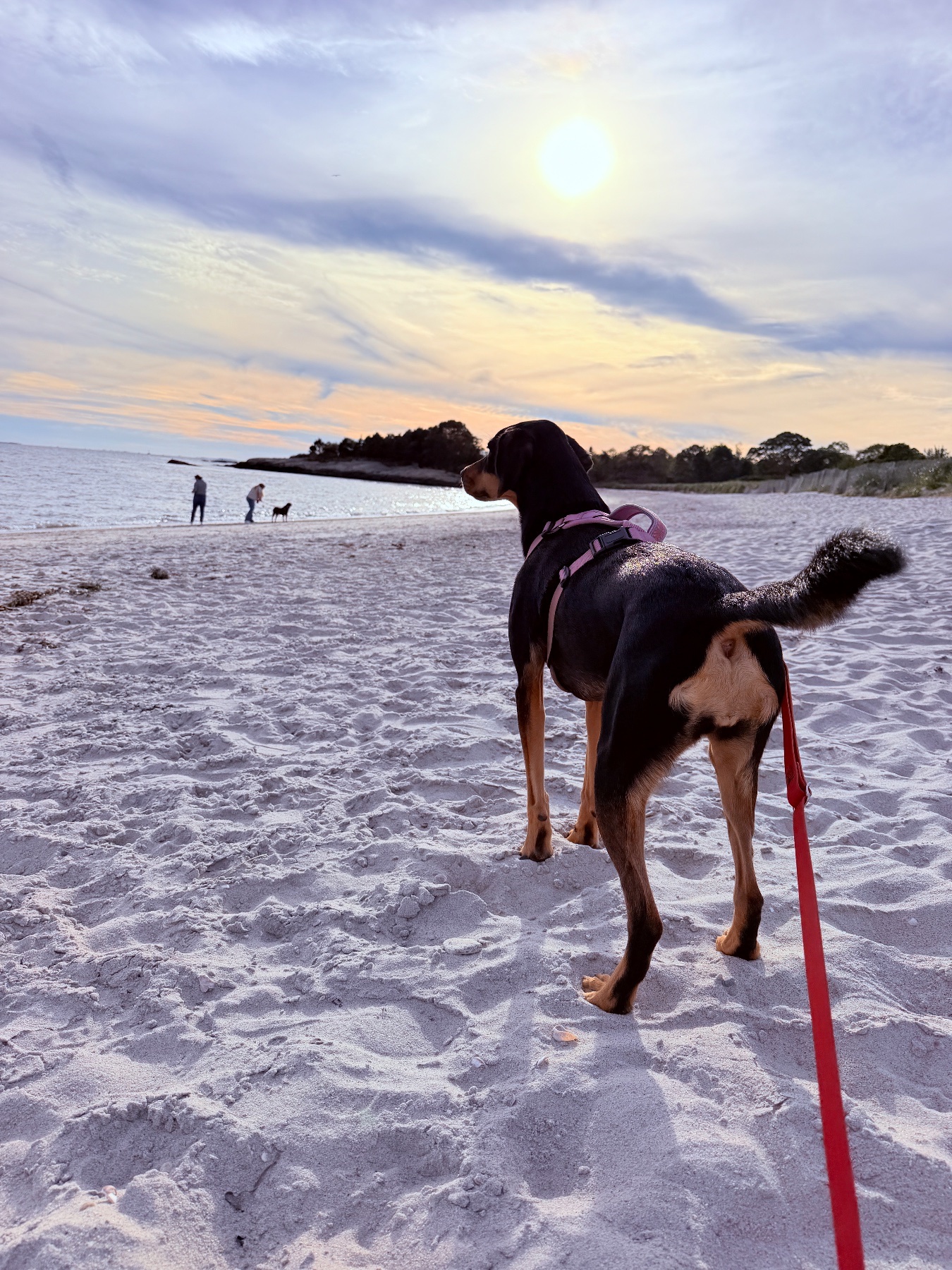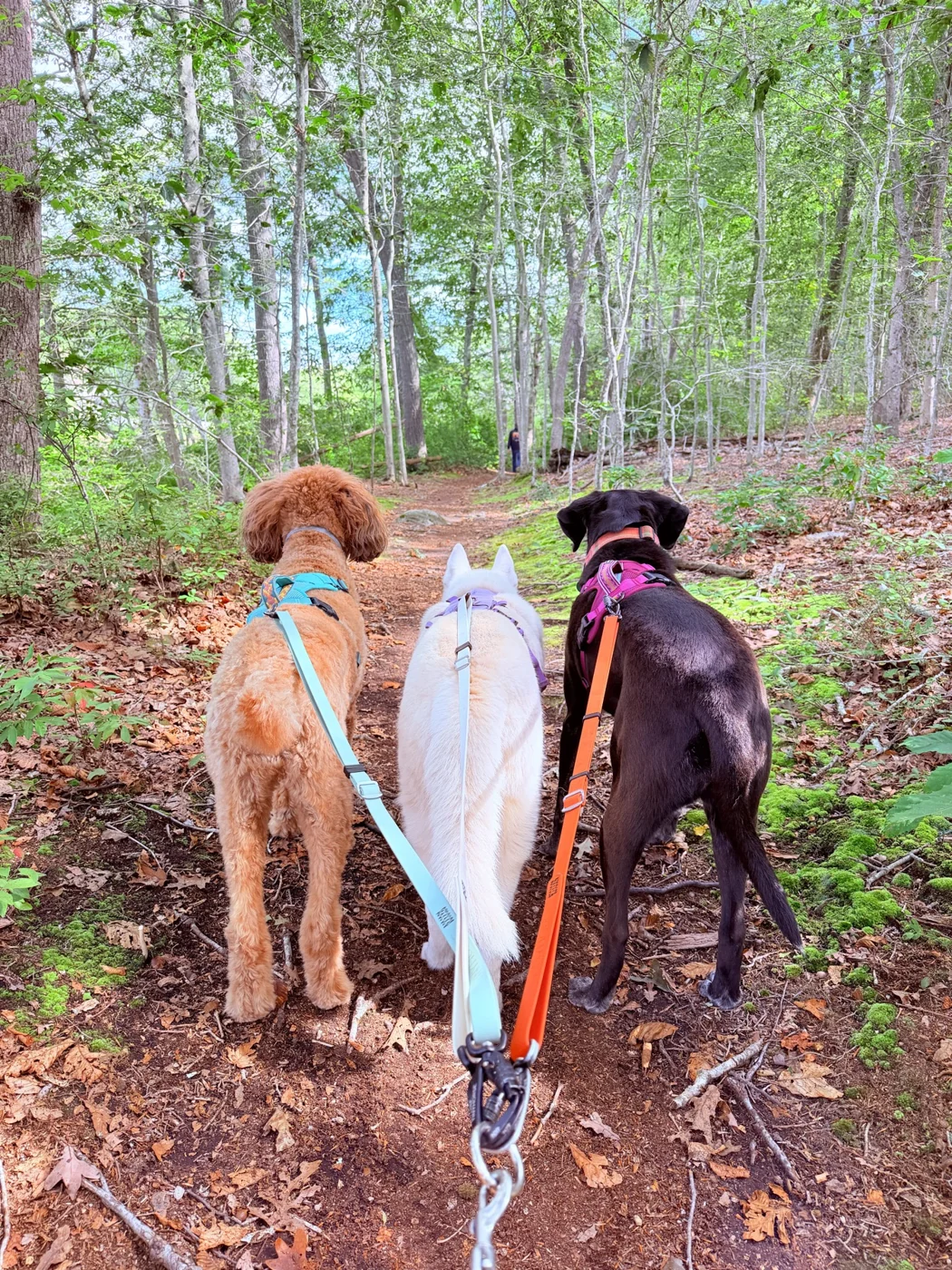
A photo of your dog can make your afternoon when you’re stuck at work. But there’s more you might want to know. Did they get a useful break? Were they comfortable? Did the plan change? Is there anything you need to know before you get home?
You shouldn’t have to read a page of cheerful filler to find those answers. A good report helps you understand your dog’s day.
Start with what actually happened
Start with the basics: where we went, what we did, and the time recorded. GPS, photos, and notes work together. Each shows something the others can’t.
The route gives context. A photo catches a moment. The written report explains the parts you can’t see on a map, such as why we chose a quieter path or how your dog moved with the group.
Recorded activity time needs some context too. It tells you about that recorded outing, but it doesn’t explain every part of the care. If something’s unclear, you deserve a straightforward answer.
Look for observations, not a string of adjectives
“Great walk, happy dog” doesn’t tell you much. It’s more useful to describe what the dog actually did.
Did they spend time sniffing along the trail edge? Keep a comfortable pace? Pause to watch another dog and then move on? Need more distance when the path became busy?
Those are the details that make an update specific to your dog. They also help us notice patterns over time. A single photo can’t show whether a dog is becoming more comfortable with a route, a walking partner, or the handoff at the door.
Explain changes to the plan
Sometimes the thoughtful choice is a different route, a gentler pace, or less time in a busy place. Weather, trail conditions, and the dogs in front of us all affect an outing.
The report should explain that decision. You shouldn’t have to compare a map with your booking and come up with your own explanation.
This matters particularly with pack hikes. The group is carefully matched, but the handler still needs to watch the dogs throughout the outing. Following the plan is useful. Recognizing when it needs adjusting is part of the work too.
Make the practical details easy to find
Anything you might need to act on should be easy to find, rather than buried in a long paragraph.
- What was different from the dog's usual routine?
- Did anything affect the outing or return home?
- Is there something we should discuss before the next visit?
Not every report needs every possible detail. A straightforward neighborhood walk may call for a short update. A first outing or an unusual day may need more explanation.
Keep the conversation connected
At Tom's Dogs, Walkies connects the report with the route, photos, timing, and care notes. That makes it easier to look back at an outing and discuss a specific detail.
If you’re choosing between walks and other care options, ask how you’ll hear about your dog's day. Communication is part of the service you’re arranging, alongside the walk itself.
When you’ve read the update, you should know more than whether someone took a nice picture. You should understand what your dog did and whether anything needs your attention.
Help with the everyday routine
A trail outing could fit your workday.
Pickup and a structured small-group hike give your dog time to move and explore while you handle your day. We assess group fit first.
Ask about pack hikeSee what’s included